
Introduction
In today’s connected world, the way people perceive you online can influence your opportunities, relationships, and success. Whether you are applying for a job, attracting clients, building a business, or growing a professional network, your digital presence plays a major role. This is where personal branding becomes important.
What Is Personal Branding?
Personal branding is the process of creating and managing the image, reputation, and identity that people associate with you. It involves showcasing your skills, values, personality, expertise, and achievements in a way that makes you unique and memorable. In simple terms, personal branding is how you present yourself to the world—both online and offline.
A strong personal brand helps others understand who you are, what you stand for, and what value you can offer. It is not just about self-promotion; it is about building trust, credibility, and authenticity.
Why Personal Branding Matters in the Digital Age
The digital age has transformed the way people communicate, learn, and do business. Social media platforms, professional networking sites, blogs, and online portfolios allow individuals to reach global audiences instantly. Employers, clients, and collaborators often search online before making decisions, meaning your online presence can create either opportunities or limitations.
Personal branding matters because it helps individuals stand out in a competitive environment. With millions of people sharing content online every day, having a clear and consistent personal brand can increase visibility, strengthen professional reputation, and open doors to career and business growth.
Importance for Students, Freelancers, Entrepreneurs, and Professionals
Personal branding is valuable for people in all stages of life and careers:
- Students can build credibility, showcase talents, and prepare for future career opportunities.
- Freelancers can attract clients, demonstrate expertise, and create trust in competitive markets.
- Entrepreneurs can connect their businesses with their personal values and gain customer loyalty.
- Professionals can expand networks, establish authority in their industries, and advance their careers.
No matter the profession or background, personal branding helps individuals communicate their strengths and create lasting impressions.
What Readers Will Learn
This content will explore the concept of personal branding in detail, including how to identify personal strengths, build a strong online presence, create engaging content, and maintain authenticity. Readers will also learn practical strategies for using social media, networking effectively, and developing a personal brand that supports long-term personal and professional success.
What Is a Personal Brand?
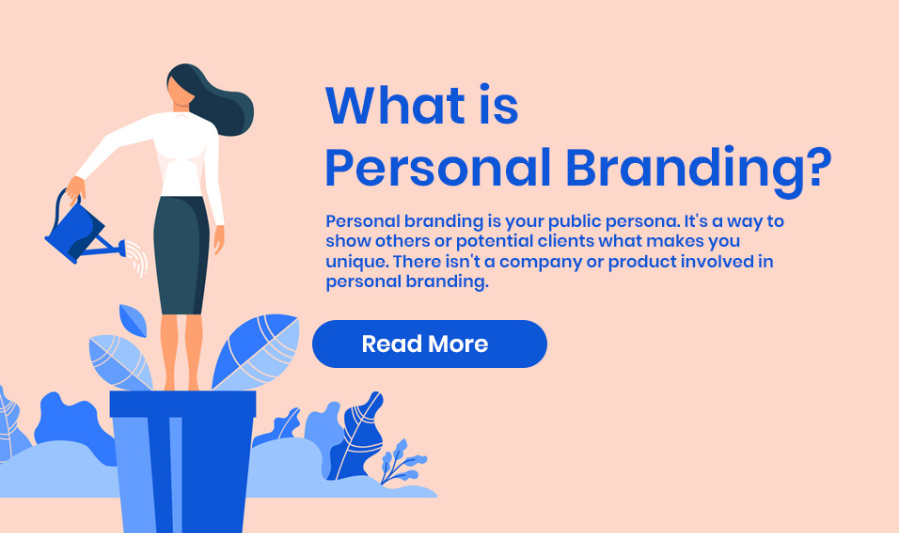
A personal brand is the unique image, reputation, and impression that people develop about an individual based on their skills, personality, values, behavior, and online presence. It represents how a person presents themselves to others and how they are recognized in professional and social environments.
In simple terms, a personal brand is the combination of what you say, what you do, and how people perceive you. It reflects your expertise, communication style, achievements, and the value you provide to others.
Definition of Personal Branding
Personal branding is the process of intentionally creating and managing a person’s public image and reputation. It involves highlighting strengths, talents, experiences, and values in a way that makes an individual stand out from others.
Personal branding can include:
- Building a professional online presence
- Sharing knowledge and skills
- Creating consistent content on social media
- Developing a clear communication style
- Establishing trust and credibility
The goal of personal branding is to create a positive and memorable identity that supports personal, academic, or professional growth.
Difference Between Personal Identity and Personal Brand
Although the terms are related, personal identity and personal brand are not the same.
| Personal Identity | Personal Brand |
|---|---|
| Refers to who you truly are as a person | Refers to how others perceive you |
| Includes personal beliefs, values, personality, and character | Includes public image, reputation, and professional presence |
| Develops naturally through life experiences | Is intentionally shaped and managed |
| May remain private | Is usually presented publicly |
| Focuses on self-understanding | Focuses on communication and influence |
For example, a person may identify themselves as creative, hardworking, and honest. Their personal brand would be how these qualities are communicated to others through their actions, behavior, and online presence.
Examples of Strong Personal Brands
Many successful individuals have built strong personal brands by consistently sharing their expertise, values, and personality.
- Elon Musk is known for innovation, technology, and futuristic thinking.
- Oprah Winfrey built a brand based on inspiration, authenticity, and empowerment.
- Gary Vaynerchuk is recognized for entrepreneurship, digital marketing, and motivational content.
- Marie Forleo has a personal brand focused on personal development and business growth.
- Ali Abdaal is known for productivity, learning strategies, and self-improvement content.
These individuals consistently communicate their expertise and values, making them memorable and trusted in their respective fields.
Why Personal Branding Is Important
In a highly connected and competitive world, personal branding has become an essential part of personal and professional success. A strong personal brand helps individuals shape how others perceive them and creates opportunities that may not be possible otherwise. Whether someone is a student, freelancer, entrepreneur, or working professional, personal branding can significantly influence growth and success.
Builds Trust and Credibility
People are more likely to connect with and trust individuals who appear authentic, knowledgeable, and consistent. A strong personal brand allows individuals to showcase their expertise, achievements, values, and experiences in a professional way.
When people regularly share valuable insights, maintain professionalism, and communicate clearly, they build credibility over time. Trust is especially important in the digital world, where employers, clients, and audiences often rely on online information before making decisions.
For example, a graphic designer who consistently shares high-quality work and helpful design tips online is more likely to be viewed as reliable and skilled.
Creates Career Opportunities
Personal branding can open doors to new academic, professional, and business opportunities. Recruiters and employers frequently search online to learn more about candidates before hiring them. A well-developed personal brand can help individuals demonstrate their strengths, achievements, and professional interests.
A strong online presence may lead to:
- Job offers
- Internship opportunities
- Speaking invitations
- Networking connections
- Collaborations with industry professionals
Individuals with a clear and professional brand are often seen as more confident, capable, and prepared for career growth.
Helps Attract Clients and Partnerships
For freelancers, entrepreneurs, and content creators, personal branding plays a major role in attracting clients and business partnerships. People prefer working with individuals they know, trust, and understand.
A strong personal brand communicates:
- What services or skills you offer
- What makes you different from others
- Why people should choose you
When individuals consistently share expertise and success stories, they build authority in their field. This can encourage potential clients, investors, sponsors, or collaborators to reach out for opportunities.
Increases Online Visibility
The internet has made it possible for individuals to reach global audiences. Personal branding helps improve visibility across platforms such as social media, professional networking sites, blogs, and websites.
By creating valuable content and maintaining an active online presence, individuals can:
- Reach larger audiences
- Grow professional networks
- Gain followers and supporters
- Become recognized in their industry
Greater visibility increases the chances of being discovered by employers, clients, or collaborators.
Makes You Stand Out from Competitors
In many industries, competition is very high. Thousands of people may have similar qualifications, skills, or services. Personal branding helps individuals differentiate themselves by highlighting their unique personality, values, experiences, and communication style.
A strong personal brand answers important questions such as:
- What makes you different?
- What unique value do you provide?
- Why should people choose you over others?
By clearly communicating these qualities, individuals become more memorable and recognizable in their field.
Identify Your Strengths and Skills
Building a strong personal brand begins with understanding yourself. Before presenting yourself to others, it is important to identify your strengths, talents, interests, and areas of expertise. Knowing what makes you unique helps you create a personal brand that is authentic, confident, and valuable.
Self-Assessment Techniques
Self-assessment is the process of evaluating your abilities, personality, values, and goals. It helps you understand what you do well and what you can improve.
Some effective self-assessment techniques include:
1. Reflect on Your Experiences
Think about your academic, professional, and personal experiences. Ask yourself:
- What tasks do I enjoy the most?
- What achievements am I proud of?
- What skills do people often compliment me on?
- What challenges have I successfully overcome?
Reflection helps identify patterns in your strengths and interests.
2. Ask for Feedback
Friends, teachers, colleagues, mentors, or clients can provide valuable insights about your abilities and personality. Sometimes others notice strengths that you may overlook yourself.
You can ask questions such as:
- What do you think I am best at?
- What qualities make me stand out?
- What areas should I improve?
Constructive feedback helps build self-awareness.
3. Use Personality and Skill Assessments
Online assessments and career tests can help identify strengths, work styles, and interests. These tools may reveal skills related to communication, leadership, creativity, or problem-solving.
Examples include:
- Personality tests
- Strength assessments
- Career aptitude tests
These assessments can guide personal and professional development.
4. Analyze Your Achievements
Look at your past successes and accomplishments. Your achievements often reflect your strongest abilities. For example:
- Winning competitions may show leadership or creativity.
- Completing difficult projects may highlight discipline and problem-solving skills.
- Managing teams may indicate communication and organizational abilities.
Finding Your Expertise
Your expertise is the specific area where your knowledge, skills, and experience provide value to others. Identifying your expertise is important because it helps define your personal brand clearly.
To find your expertise:
- Identify subjects or activities you know well.
- Consider skills you have developed through education or experience.
- Focus on areas where you consistently perform well.
- Determine what problems you can solve for others.
Your expertise does not need to be perfect or advanced at the beginning. It can grow over time through learning and practice.
Examples of expertise include:
- Graphic design
- Digital marketing
- Programming
- Public speaking
- Writing and communication
- Photography
- Business management
Choosing a focused area of expertise helps people recognize you for a specific skill or value.
Understanding Your Audience
A successful personal brand is built not only on self-awareness but also on understanding the audience you want to reach. Your audience may include employers, clients, customers, students, followers, or professional communities.
Understanding your audience helps you:
- Create relevant content
- Communicate effectively
- Build stronger relationships
- Provide value based on their needs and interests
To understand your audience, consider:
- Who are they?
- What problems or challenges do they face?
- What type of information do they need?
- Which platforms do they use most?
For example:
- A freelancer may target small business owners.
- A student may connect with recruiters and academic communities.
- A fitness coach may focus on health-conscious audiences.
When you clearly understand your audience, you can present your strengths and expertise in a way that attracts attention and builds trust.
Define Your Niche
One of the most important steps in building a strong personal brand is defining your niche. A niche is a specific area of focus where you specialize and provide value. Instead of trying to appeal to everyone, choosing a niche helps you target a particular audience and become recognized for a specific skill, topic, or expertise.
Importance of Choosing a Niche
Choosing a niche gives your personal brand direction and purpose. It helps people quickly understand who you are, what you do, and why they should follow or trust you.
Some key benefits of selecting a niche include:
- Builds expertise: Focusing on one area allows you to develop deeper knowledge and skills.
- Creates recognition: People are more likely to remember you for a specific topic or service.
- Attracts the right audience: A niche helps connect you with people who are interested in your expertise.
- Reduces competition: Instead of competing broadly, you stand out within a focused category.
- Improves opportunities: Brands, employers, and clients often look for specialists rather than generalists.
For example, instead of simply being a “content creator,” someone could become known for “digital marketing tips for small businesses” or “fitness coaching for beginners.”
Examples of Profitable Niches
Many niches offer strong opportunities for growth, influence, and income. Some popular and profitable niches include:
1. Technology
- Web development
- Artificial intelligence
- Cybersecurity
- Software tutorials
2. Digital Marketing
- Social media marketing
- Search engine optimization (SEO)
- Content creation
- Email marketing
3. Health and Fitness
- Weight loss coaching
- Home workouts
- Mental wellness
- Nutrition guidance
4. Education and Learning
- Online tutoring
- Language learning
- Study techniques
- Career guidance
5. Business and Finance
- Entrepreneurship
- Freelancing advice
- Personal finance
- Investing basics
6. Lifestyle and Creativity
- Photography
- Fashion
- Travel content
- Graphic design
7. Productivity and Self-Development
- Time management
- Motivation
- Habit building
- Personal growth
A niche becomes more powerful when it combines your interests, skills, and market demand.
How Niche Clarity Improves Branding
Niche clarity means having a clear understanding of your focus area and the value you provide. A clear niche strengthens your personal brand in several ways:
1. Creates a Consistent Message
When your niche is clear, your content, communication, and online presence become more focused and professional. People immediately understand what you represent.
2. Builds Audience Trust
Audiences trust individuals who consistently share knowledge and value in a specific field. Consistency increases credibility and authority.
3. Makes Content Creation Easier
A defined niche gives you direction when creating content. You know what topics to discuss and what audience needs to address.
4. Helps You Stand Out
Clear specialization differentiates you from competitors. Instead of being seen as “someone who does many things,” you become known for doing one thing well.
5. Attracts Better Opportunities
Clients, employers, sponsors, and collaborators are more likely to approach individuals with a clear area of expertise and a focused audience.
For example, a freelancer known specifically for “logo design for startups” may attract more targeted clients than someone who simply markets themselves as a “designer.”
Create Your Brand Message
Your brand message is the clear and consistent way you communicate who you are, what you do, and what value you offer. It is the foundation of your personal brand and helps people quickly understand your identity and purpose. A strong brand message combines your voice, mission, values, and goals into a simple and memorable identity.
Developing a Unique Voice
Your voice is the personality behind your communication. It reflects how you express yourself in writing, speaking, and online content.
A unique voice makes your personal brand recognizable and relatable.
To develop your voice:
- Be consistent in tone: Decide whether your communication style is professional, friendly, motivational, or conversational.
- Use your natural style: Avoid copying others; speak in a way that feels authentic to you.
- Focus on clarity: Simple and clear communication is more effective than complex language.
- Show personality: Share your opinions, experiences, and insights where appropriate.
- Adapt when needed: Maintain consistency, but adjust tone based on platform or audience.
For example, a tech educator may use a simple, explanatory voice, while a motivational coach may use an inspiring and energetic tone.
You may also like to read these posts:
Top Personal Branding Tips to Grow Your Online Presence
Complete Brand Identity Guide: Build a Powerful and Consistent Brand
Crafting a Personal Mission Statement
A personal mission statement is a short summary of your purpose, goals, and the value you want to provide to others. It defines why you do what you do.
A strong mission statement answers:
- Who you are
- What you do
- Who you help
- What impact you want to create
Simple structure:
“I help [target audience] achieve [goal] by [your skills or approach].”
Examples:
- “I help students improve their study habits and academic performance through simple productivity techniques.”
- “I help small businesses grow online through effective digital marketing strategies.”
- “I help beginners learn programming by breaking down complex concepts into easy steps.”
A clear mission statement keeps your branding focused and meaningful.
Defining Your Values and Goals
Your values and goals shape the direction and integrity of your personal brand. They guide your decisions and help you stay consistent over time.
Defining Your Values
Values are the principles that matter most to you. They influence how you behave and how others perceive you.
Common personal brand values include:
- Honesty and authenticity
- Consistency
- Creativity
- Discipline
- Growth and learning
- Helping others
When your actions align with your values, your brand becomes more trustworthy and respected.
Setting Your Goals
Goals give your personal brand direction and purpose. They help you measure progress and stay motivated.
Examples of personal branding goals:
- Grow your online audience
- Build authority in a specific niche
- Get freelance clients or job opportunities
- Create valuable content regularly
- Develop new skills in your field
It is helpful to set:
- Short-term goals (e.g., post content weekly, improve skills)
- Long-term goals (e.g., become an industry expert, build a strong online presence)
Bringing It All Together
A strong brand message connects your voice, mission, values, and goals into one clear identity. When these elements are aligned, people understand not only what you do—but also why you do it and what you stand for.
Faqs:
What is personal branding?
Personal branding is the process of shaping how others see you professionally and personally. It includes your skills, values, online presence, and the way you present yourself on platforms like LinkedIn, Instagram, or your personal website.
Why is personal branding important?
Personal branding is important because it helps you build trust, stand out from competitors, and attract better opportunities such as jobs, clients, collaborations, or business growth.
How can I start building my personal brand?
You can start by identifying your skills and strengths, choosing a niche, optimizing your social media profiles, and consistently sharing valuable content related to your expertise.
Which platform is best for personal branding?
The best platform depends on your goal:
LinkedIn for professional networking
Instagram for visual storytelling
YouTube for educational or long-form content
X (Twitter) for ideas and thought leadership
It’s best to focus on 1–2 platforms instead of all.
How long does it take to build a strong personal brand?
Building a strong personal brand takes time and consistency. For most people, it can take a few months to a few years depending on how regularly they create content and engage with their audience.
Conclusion
Personal branding is no longer just an option—it is a key part of building a successful career or business in today’s digital world. Whether you are a student, freelancer, or professional, the way you present yourself online and offline directly impacts the opportunities you receive.
By understanding your strengths, choosing a clear niche, and consistently sharing valuable content, you can build a strong and trustworthy personal brand over time. Remember, it’s not about being perfect or popular—it’s about being authentic, consistent, and helpful to your audience.