
Introduction
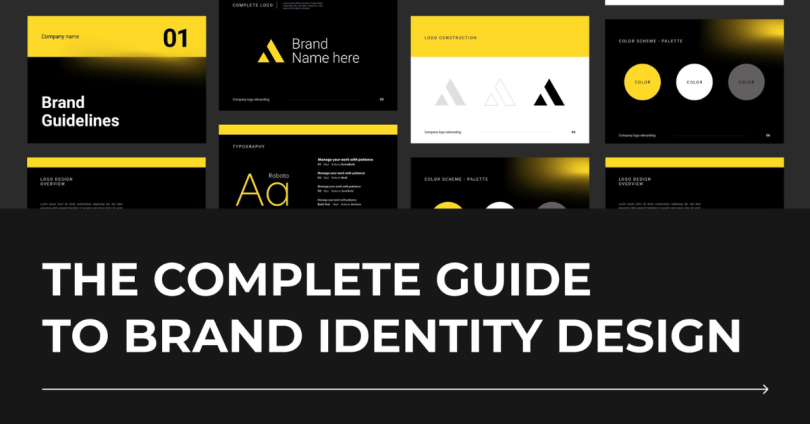
In today’s competitive marketplace, businesses are not only judged by their products or services but also by how they present themselves to the world. This presentation—known as brand identity—plays a key role in shaping how customers perceive, trust, and connect with a business.
What Is Brand Identity?
Brand identity is the collection of visual, verbal, and emotional elements that represent a business and distinguish it from competitors. It is how a brand looks, feels, and communicates with its audience.
Brand identity typically includes:
- Logo and visual design (colors, typography, imagery)
- Brand voice and tone
- Messaging and storytelling
- Overall style and personality
In simple terms, brand identity is the “face and personality” of a business that people recognize and remember.
Why Brand Identity Matters in Modern Business

In the modern digital world, customers are exposed to countless brands every day. A strong brand identity helps a business stand out and remain memorable.
Brand identity matters because it:
- Builds recognition and familiarity
- Creates trust and credibility
- Differentiates a business from competitors
- Strengthens customer loyalty
- Enhances marketing and communication efforts
When a brand consistently presents itself in a clear and professional way, customers are more likely to trust and engage with it.
Difference Between Brand Identity and Branding
Although closely related, brand identity and branding are not the same.
| Brand Identity | Branding |
|---|---|
| The visual and verbal elements of a brand | The process of creating and managing a brand |
| Includes logo, colors, messaging, and design | Includes marketing, strategy, and communication efforts |
| Focuses on how a brand looks and feels | Focuses on how a brand is built and promoted |
| Static elements (mostly consistent) | Dynamic and ongoing process |
In short, brand identity is what people see, while branding is how a business shapes perception over time.
What This Guide Will Cover
This guide will help you understand the key components of brand identity and how to build a strong, consistent presence for your business. You will learn:
- The core elements of brand identity design
- How to choose brand colors, typography, and visual style
- How to develop a clear brand voice and messaging
- The role of consistency in branding success
- Practical steps to create or improve your brand identity
What Is Brand Identity?
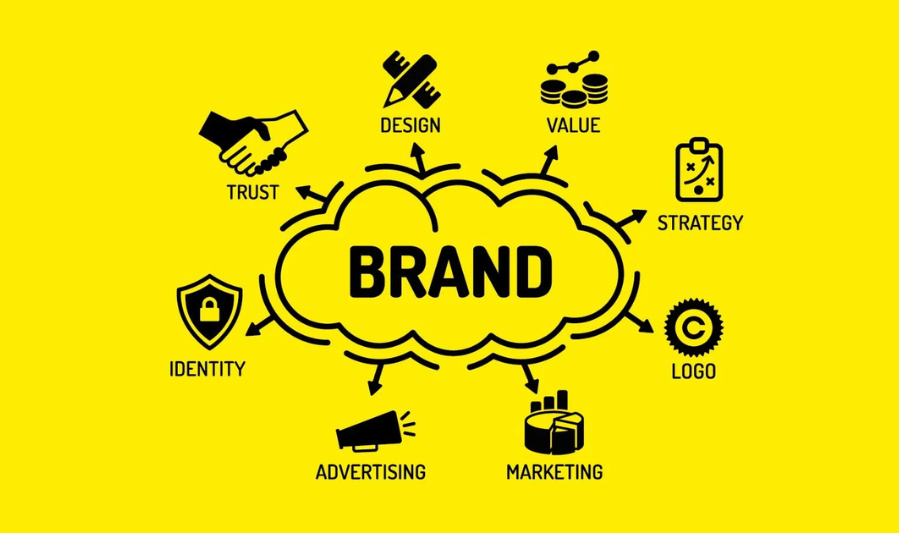
Brand identity is how a business presents itself to the public through visual elements, communication style, and overall personality. It is what makes a brand recognizable and different from others in the market.
Simple Definition
Brand identity is the combination of design, messaging, and style that a company uses to express who they are and what they stand for.
In simple words, it is the “visible personality” of a brand that customers see, recognize, and remember.
Key Components of Brand Identity
A strong brand identity is built from several important elements that work together to create a consistent image:
1. Visual Identity
This includes all design-related elements such as:
- Logo
- Color palette
- Typography (fonts)
- Images and graphics
- Packaging design
These elements help customers instantly recognize a brand.
2. Brand Voice and Tone
This refers to how a brand communicates with its audience. It can be:
- Professional
- Friendly
- Playful
- Inspirational
- Formal
A consistent voice helps build personality and trust.
3. Messaging
Messaging includes the key ideas and values a brand communicates, such as:
- Taglines or slogans
- Brand story
- Core values
- Marketing messages
It explains what the brand stands for and what it offers.
4. Brand Personality
Brand personality describes human-like traits associated with a brand, such as:
- Innovative
- Trustworthy
- Luxury
- Bold
- Friendly
This helps customers emotionally connect with the brand.
5. Consistency
Consistency ensures that all brand elements look and feel the same across platforms like websites, social media, packaging, and advertisements. It strengthens recognition and trust.
Examples of Strong Brand Identities (Global Brands)
Many global companies have built powerful brand identities that are instantly recognizable worldwide:
- Apple Inc.
Known for its minimalist design, clean visuals, and innovation-focused identity. Apple’s branding emphasizes simplicity, premium quality, and user experience. - Nike, Inc.
Famous for its “Just Do It” slogan and motivational brand personality. Nike’s identity focuses on performance, empowerment, and athletic inspiration. - Coca-Cola Company
Recognized for its classic red color, emotional advertising, and themes of happiness and togetherness. - McDonald’s Corporation
Uses consistent golden arches, red and yellow colors, and a family-friendly, fast-service identity. - Google LLC
Known for its simple, colorful logo and a brand identity centered on accessibility, innovation, and user-friendly technology.
Brand Identity vs Brand Image
Although often used interchangeably, brand identity and brand image are two different concepts. One is created by the business, while the other is formed in the minds of customers. Understanding the difference is essential for building a strong and successful brand.
Difference Between What You Create vs What People Perceive
Brand Identity (What You Create)
Brand identity is the set of elements a business intentionally designs and controls to represent itself. It includes:
- Logo and visual design
- Colors, fonts, and style
- Brand voice and messaging
- Values and personality
It is the planned and strategic presentation of the brand.
👉 In simple terms: Brand identity is what you want people to see.
Brand Image (What People Perceive)
Brand image is how customers actually see and feel about a brand based on their experiences, opinions, and interactions.
It is influenced by:
- Customer experience
- Product or service quality
- Reviews and feedback
- Marketing and communication
- Word of mouth
In simple terms: Brand image is what people actually think about you.
How Both Are Connected
Brand identity and brand image are closely linked but not always the same.
- A strong brand identity helps shape a positive brand image.
- However, brand image depends on how well the identity is delivered and experienced.
- If a business promises quality (identity) but fails to deliver (experience), the brand image becomes negative.
For example:
- If a company presents itself as “premium and reliable” but provides poor service, customers will develop a negative perception.
- If the experience matches the identity, trust and loyalty grow.
So, brand identity influences brand image, but brand image is ultimately defined by the audience.
Why Consistency Matters
Consistency is the bridge between brand identity and brand image. It ensures that what a brand promises is what people actually experience.
1. Builds Trust
When a brand looks, sounds, and behaves the same across all platforms, customers feel more confident and secure.
2. Strengthens Recognition
Consistent visuals and messaging make a brand easier to remember and identify.
3. Improves Customer Experience
When expectations match reality, customers are more satisfied and likely to return.
4. Reinforces Brand Values
Consistency ensures that the brand’s personality and values are always clearly communicated.
5. Reduces Confusion
Mixed messages or inconsistent design can confuse customers and weaken the brand image.
Importance of Brand Identity
Brand identity is more than just a logo or design—it is the foundation of how a business is recognized, remembered, and trusted. A strong brand identity helps shape customer perception and plays a key role in long-term success.
Builds Recognition and Trust
A clear and consistent brand identity makes a business easily recognizable. When people repeatedly see the same colors, logo, tone, and style, they begin to remember the brand quickly.
Trust is also built through consistency. When a brand looks professional and delivers a consistent message, customers feel more confident in its products or services.
For example, when customers see familiar branding across websites, packaging, and social media, they are more likely to believe the business is reliable and established.
Creates Emotional Connection
Brand identity is not only visual—it also creates feelings and emotions. A strong identity helps customers connect with a brand on a personal level.
This emotional connection is built through:
- Storytelling
- Brand values
- Tone of communication
- Visual appeal
When customers feel emotionally connected, they are more likely to stay loyal and support the brand over time. Many successful brands build communities rather than just customer bases through this emotional bond.
Helps in Marketing and Sales
A strong brand identity makes marketing more effective and memorable. It ensures that all promotional materials look and feel consistent, which strengthens communication.
It helps businesses:
- Create impactful advertisements
- Maintain consistency across social media
- Build recognizable campaigns
- Increase customer engagement
In sales, a strong identity builds trust, which makes customers more comfortable making purchasing decisions. People often choose brands they recognize and trust over unfamiliar ones.
Differentiates from Competitors
In competitive markets, many businesses offer similar products or services. Brand identity helps a company stand out by highlighting its unique personality and values.
A strong identity answers:
- Why should customers choose this brand?
- What makes it different from others?
- What unique value does it offer?
Through design, messaging, and positioning, a brand can create a distinct place in the customer’s mind. This differentiation is essential for long-term success.
Final Insight
Brand identity plays a vital role in building recognition, trust, emotional connection, effective marketing, and market differentiation. When developed carefully and used consistently, it becomes one of the most powerful tools for business growth and customer loyalty.
Define Your Brand Purpose
A strong brand is built on a clear sense of purpose. Brand purpose explains why your brand exists beyond making money and what impact it aims to create. It gives direction to your identity, messaging, and long-term strategy.
Why Your Brand Exists
Every successful brand starts with a reason for existence. This is the core motivation behind everything it does.
Your brand exists to:
- Solve a specific problem
- Fulfill a need in the market
- Improve people’s lives in some way
- Deliver unique value that others may not offer
For example:
- A tech brand may exist to make technology more accessible.
- A clothing brand may exist to promote sustainable fashion.
- A learning platform may exist to make education easier and affordable.
When a brand clearly understands its purpose, it becomes more meaningful and focused. Customers also connect more deeply with brands that stand for something important.
Mission and Vision
Mission and vision are two essential parts of brand purpose, and they serve different roles.
Mission (Present Focus)
A mission explains what your brand does right now and how it delivers value.
It answers:
- What do we do?
- Who do we serve?
- How do we do it?
Example:
Our mission is to provide affordable and high-quality online education to students worldwide.”
The mission is practical, clear, and action-oriented.
Vision (Future Focus)
A vision describes what your brand hopes to achieve in the long term. It represents the future impact you want to create.
It answers:
- Where are we going?
- What change do we want to create in the world?
Example:
“Our vision is to make quality education accessible to every learner, regardless of location or background.”
The vision is inspirational and forward-looking.
You may also like to read these posts:
Top Personal Branding Tips to Grow Your Online Presence
Complete Brand Identity Guide: Build a Powerful and Consistent Brand
Long-Term Goals
Long-term goals define the direction and growth path of your brand over time. They turn your mission and vision into measurable outcomes.
Long-term goals may include:
- Expanding into new markets or audiences
- Building strong brand awareness
- Increasing customer loyalty and trust
- Launching new products or services
- Becoming a leader in your industry
Unlike short-term goals, long-term goals focus on sustainable growth and lasting impact.
Identify Your Target Audience
A strong brand is built around the people it serves. Identifying your target audience means understanding exactly who your ideal customers are, what they need, and how your brand can provide value to them. When you clearly define your audience, your branding, messaging, and marketing become much more effective.
Customer Demographics
Customer demographics are basic, measurable details about your audience. These factors help you understand who your customers are.
Common demographic factors include:
- Age (teenagers, young adults, professionals, etc.)
- Gender
- Location (city, country, urban or rural areas)
- Education level
- Income level
- Occupation
For example:
A brand selling online courses may target:
- Age: 18–35
- Education: Students or graduates
- Occupation: Job seekers or early professionals
Demographics help you narrow down your audience and focus your efforts on the right group of people.
Customer Needs and Pain Points
To build a successful brand, you must understand what your audience needs and what problems they are facing. These are known as pain points.
Customer Needs:
These are what people want to achieve or improve in their lives, such as:
- Learning new skills
- Saving time or money
- Improving health
- Growing their business
- Finding better opportunities
Pain Points:
These are problems, challenges, or frustrations customers experience, such as:
- Lack of knowledge or skills
- Limited time or resources
- Confusion about choices
- High competition in the market
- Difficulty achieving goals alone
A strong brand focuses on solving these problems. The better you understand your audience’s pain points, the more valuable your brand becomes.
Building Customer Personas
A customer persona is a detailed profile of your ideal customer. It represents a fictional but realistic person based on research and understanding of your audience.
A customer persona usually includes:
- Name and age
- Job or profession
- Goals and motivations
- Challenges and pain points
- Interests and behaviors
- Preferred platforms (social media, websites, etc.)
Example Persona:
Name: Ali, 22 years old
Role: University student
Goals: Learn digital skills and get freelance work
Challenges: Limited experience and guidance
Interests: YouTube tutorials, online courses, freelancing platforms
This helps you visualize your audience and create content, products, and messaging that directly meet their needs.
Faqs:
What is brand identity?
Brand identity is the collection of visual and communication elements like logo, colors, fonts, and tone of voice that represent how a brand looks and feels to its audience.
Why is brand identity important?
Brand identity is important because it helps build trust, improves brand recognition, and makes your business stand out from competitors in a crowded market.
What is the difference between brand identity and branding?
Brand identity refers to the visual and creative elements of a brand, while branding is the overall process of shaping how people perceive your business, including marketing and customer experience.
How do I create a strong brand identity?
You can create a strong brand identity by defining your brand purpose, understanding your target audience, designing consistent visuals (logo, colors, fonts), and maintaining a clear brand voice.
Can I change my brand identity later?
Yes, you can update or rebrand your identity over time, but it should be done carefully to maintain consistency and not confuse your existing audience.
Conclusion
A strong brand identity is the foundation of any successful business. It is not just about having a logo or choosing colors—it is about creating a consistent and meaningful image that represents your brand’s purpose, values, and personality.
When your brand identity is clear and well-designed, it becomes easier for people to recognize your business, trust your message, and connect with your story. Consistency across all platforms is what turns a simple business into a memorable brand.