

Introduction
In today’s digital world, social media is one of the most powerful tools for building visibility, trust, and influence. Platforms like Instagram, LinkedIn, TikTok, and Facebook have transformed how individuals and businesses connect with audiences. This shift has given rise to social branding, where reputation and identity are built through social platforms.
What Is Social Branding?
Social branding is the process of building and managing a brand’s identity, reputation, and presence through social media platforms. It involves how a business or individual presents themselves online, interacts with audiences, and shares content to create a consistent and recognizable image.
In simple terms, social branding is how you use social media to shape how people see and remember your brand.
It includes:
- Posting consistent and valuable content
- Engaging with followers and communities
- Maintaining a clear visual and communication style
- Sharing stories, experiences, and expertise
- Building trust and authenticity online
Why Social Media Is Important for Brand Building
Social media has become essential for brand building because it provides direct access to global audiences.
It is important because it:
- Increases brand visibility and reach
- Builds real-time engagement with audiences
- Helps establish trust and credibility
- Allows storytelling and personal connection
- Supports marketing at low cost
- Enables rapid audience growth
Unlike traditional media, social platforms allow two-way communication, making it easier to build relationships with customers and followers.
How Social Branding Impacts Businesses and Creators
Social branding plays a major role in the success of both businesses and individual creators.
For Businesses:
- Increases customer awareness and loyalty
- Strengthens brand identity and reputation
- Drives sales and conversions
- Builds long-term customer relationships
For Creators (influencers, freelancers, educators):
- Helps grow personal audience and following
- Builds authority in a niche
- Attracts brand collaborations and sponsorships
- Creates income opportunities through content
A strong social brand can turn an unknown profile into a trusted and influential presence.
What This Article Will Cover
This article will explain the key principles and strategies of social branding. Readers will learn:
- The fundamentals of building a social brand identity
- Choosing the right social media platforms
- Creating engaging and consistent content
- Growing and managing an audience
- Building trust and credibility online
- Common mistakes to avoid in social branding
By the end of this article, you will understand how to use social media effectively to build a strong, recognizable, and impactful brand presence.
What Is Social Branding?
Social branding is a key part of modern digital identity building. It focuses on how individuals and businesses use social media platforms to create, manage, and grow their brand presence.
Definition of Social Branding
Social branding is the process of building and maintaining a brand’s identity, reputation, and influence through social media platforms such as Instagram, LinkedIn, TikTok, Facebook, and X (Twitter).
In simple terms, social branding is:
How a brand presents itself, communicates, and connects with people on social media.
It includes everything from the content you post to how you interact with your audience and maintain consistency across platforms.
Key activities include:
- Posting valuable and relevant content
- Engaging with followers through comments and messages
- Sharing brand stories and updates
- Building trust and authenticity
- Maintaining a consistent online identity
Difference Between Branding and Social Branding
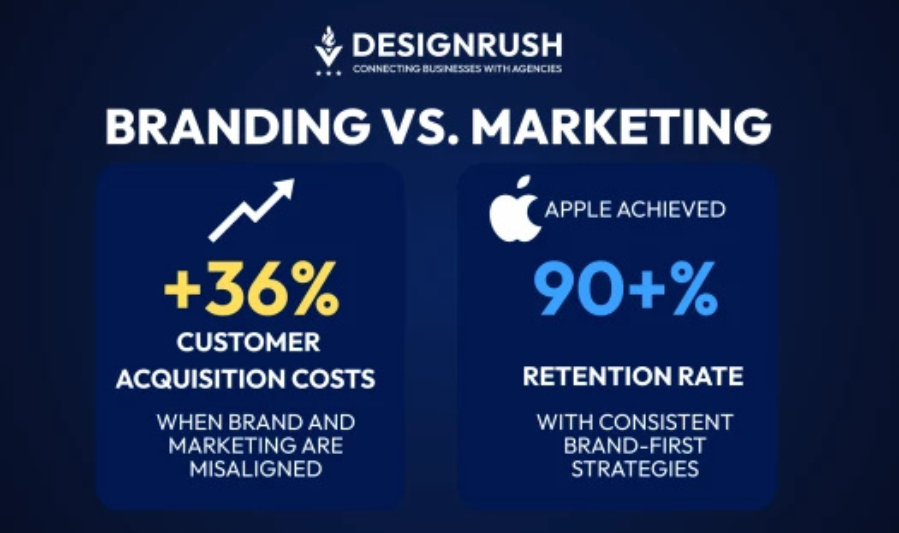
Although related, branding and social branding are not the same.
| Branding | Social Branding |
|---|---|
| Overall process of building a brand identity | Focuses specifically on social media platforms |
| Includes offline and online presence | Exists only in digital and social platforms |
| Covers visual identity, messaging, and strategy | Focuses on engagement, content, and interaction |
| Long-term brand development | Real-time audience building and communication |
In simple words:
- Branding = the complete identity of a brand
- Social branding = how that identity is expressed on social media
Key Elements of Social Media Presence
A strong social branding strategy is built on several important elements that shape how people perceive your brand online.
1. Profile Identity
Your profile is the first impression of your brand. It includes:
- Profile picture or logo
- Bio or description
- Username and handle consistency
- Contact information or links
A clear and professional profile builds trust instantly.
2. Content Strategy
Content is the core of social branding. It includes:
- Educational posts
- Entertainment or storytelling content
- Promotional content
- Personal or behind-the-scenes updates
Consistent and valuable content keeps your audience engaged.
3. Visual Consistency
This includes:
- Colors and design style
- Fonts and layout
- Image and video quality
A consistent visual style makes your brand recognizable.
4. Engagement with Audience
Social branding is not just about posting—it’s about interaction:
- Replying to comments and messages
- Engaging in discussions
- Building community relationships
Engagement builds trust and loyalty.
5. Brand Voice and Tone
Your communication style should be consistent across all posts and platforms:
- Professional
- Friendly
- Motivational
- Educational
A strong voice makes your brand more relatable and memorable.
Importance of Social Branding
Social branding plays a crucial role in today’s digital world because most people discover, evaluate, and interact with brands through social media. A strong social presence helps individuals and businesses build recognition, trust, and long-term growth.
Builds Online Visibility
Social branding increases how easily people can find and recognize your brand online. By consistently posting and engaging on platforms like Instagram, LinkedIn, TikTok, or Facebook, you expand your digital footprint.
Increased visibility helps you:
- Reach a larger audience
- Appear in searches and recommendations
- Stay relevant in your niche
- Build awareness over time
The more visible your brand is, the more opportunities you can attract.
Creates Trust and Credibility
People trust brands they see consistently and actively online. A professional and well-managed social presence signals reliability and authenticity.
Trust is built through:
- Consistent posting
- Honest communication
- Valuable and informative content
- Positive interactions with followers
When audiences trust your brand, they are more likely to follow, engage, and purchase from you.
Helps Attract Customers and Followers
Social branding is a powerful tool for attracting the right audience. When your content clearly shows your value, expertise, or personality, people naturally connect with your brand.
It helps you:
- Gain followers who are interested in your niche
- Attract potential customers or clients
- Build long-term relationships with your audience
- Convert viewers into loyal supporters
Strong branding turns casual viewers into engaged communities.
Strengthens Personal or Business Identity
A consistent social presence helps define who you are and what you stand for. It strengthens your identity by clearly communicating your values, mission, and expertise.
For example:
- A fitness coach becomes known for health and motivation
- A business becomes recognized for innovation or quality
- A creator becomes associated with a specific niche or style
This clarity makes your brand more memorable and professional.
Increases Engagement and Reach
Engagement is a key part of social branding. The more people interact with your content, the more platforms promote it to wider audiences.
Social branding improves engagement through:
- Interactive content (polls, questions, videos)
- Relatable and valuable posts
- Consistent communication with followers
- Community building
Higher engagement leads to:
- More visibility
- Better algorithm performance
- Stronger audience connection
Define Your Brand Identity
Brand identity is the foundation of how people recognize, understand, and remember your brand. It represents your purpose, personality, and the value you offer to your audience. A strong brand identity helps create consistency, trust, and long-term recognition across all platforms.
Mission and Vision
Your mission and vision define the direction and purpose of your brand.
Mission (Present Purpose)
A mission statement explains what your brand does, who it serves, and how it creates value today.
It answers:
- What does your brand do?
- Who do you help?
- How do you help them?
Example:
“Our mission is to help small businesses grow through affordable digital marketing solutions.”
A strong mission statement should be:
- Clear
- Specific
- Action-oriented
- Customer-focused
Vision (Future Goal)
A vision statement describes the long-term impact or future your brand wants to create.
It answers:
- What do you want your brand to become?
- What change do you want to make?
Example:
“Our vision is to become a global leader in accessible and innovative digital education.”
A strong vision inspires growth and provides long-term direction.
Core Values
Core values are the principles and beliefs that guide your brand’s decisions, communication, and behavior. They shape your company culture and influence how people perceive your brand.
Common brand values include:
- Honesty
- Innovation
- Creativity
- Quality
- Customer satisfaction
- Sustainability
- Inclusivity
For example:
- A sustainable fashion brand may value environmental responsibility.
- A technology company may prioritize innovation and simplicity.
Clearly defined values help build trust and emotional connection with your audience.
What Makes Your Brand Unique
Your uniqueness is what separates your brand from competitors. It is often called your Unique Value Proposition (UVP).
Your uniqueness may come from:
- Specialized expertise
- Better customer experience
- Unique design or style
- Affordable pricing
- Faster service
- Innovative solutions
- Strong storytelling or personality
Ask yourself:
- What problem do we solve better than others?
- Why should customers choose us?
- What memorable experience do we provide?
For example:
A coffee shop may stand out by offering locally sourced ingredients and personalized customer experiences.
Identify Your Target Audience
Understanding your target audience is one of the most important steps in building a strong brand. Your audience includes the specific people most likely to benefit from your products, services, or content. When you clearly know who they are and what they need, you can create more effective branding, communication, and marketing strategies.
Age, Interests, and Behavior
These factors help you understand who your audience is and how they interact online.
Age
Different age groups have different preferences, habits, and communication styles.
Examples:
- Teenagers may prefer short-form video content on TikTok.
- Young professionals may spend more time on LinkedIn or Instagram.
- Older audiences may respond better to detailed information and Facebook content.
Understanding age helps you choose the right tone, content style, and platform.
Interests
Interests reveal what your audience enjoys, follows, or cares about.
Examples of interests:
- Fitness and health
- Technology and gaming
- Fashion and beauty
- Business and entrepreneurship
- Education and self-improvement
Knowing audience interests helps you create content that captures attention and builds engagement.
Behavio
Behavior describes how your audience acts online and makes decisions.
This may include:
- Social media usage habits
- Purchasing behavior
- Content preferences
- Engagement patterns
- Active online times
For example:
Some audiences prefer educational videos, while others engage more with entertaining or inspirational content.
Understanding behavior allows brands to communicate more effectively.
Customer Pain Points
Pain points are the problems, frustrations, or challenges your audience faces. Successful brands focus on solving these issues.
Common pain points include:
- Lack of time
- Limited budget
- Confusion or lack of guidance
- Difficulty finding quality solutions
- Poor customer service from competitors
For example:
- A productivity app solves time-management problems.
- A digital marketing coach helps businesses struggling with online growth.
When your brand addresses real customer problems, it becomes more valuable and trustworthy.
Creating Audience Personas
An audience persona is a fictional profile that represents your ideal customer. It combines demographic information, interests, behaviors, goals, and pain points into one detailed character.
Audience personas help brands:
- Understand customers more clearly
- Create targeted content and campaigns
- Improve communication strategies
- Build stronger customer relationships
Example Audience Persona
Name: Sara
Age: 24
Occupation: Freelance graphic designer
Interests: Social media, design trends, online learning
Goals: Grow freelance income and build personal brand
Pain Points: Difficulty finding clients and managing time
Behavior: Active on Instagram and LinkedIn, watches tutorial videos regularly
This persona helps a brand understand exactly how to communicate with similar customers.
Choose Your Social Media Platforms
Choosing the right social media platforms is an important part of social branding. Each platform serves different audiences, content styles, and branding goals. Instead of trying to be active everywhere, it is more effective to focus on the platforms that best match your brand, audience, and content strategy.
Instagram for Visuals
Instagram is one of the most popular platforms for visual branding. It is ideal for sharing:
- Photos and graphics
- Short videos and reels
- Brand aesthetics
- Lifestyle and behind-the-scenes content
Instagram works well for:
- Fashion and beauty brands
- Fitness creators
- Photographers and designers
- Food and travel content
- Personal brands
Strong visuals, consistent design, and engaging stories help brands grow effectively on Instagram.
You may also like to read these posts:
Top Personal Branding Tips to Grow Your Online Presence
Complete Brand Identity Guide: Build a Powerful and Consistent Brand
Complete Guide to Online Brand Building for Beginners
LinkedIn for Professionals
LinkedIn is designed for professional networking and career-focused branding.
It is ideal for:
- Business professionals
- Freelancers
- Entrepreneurs
- Students and job seekers
- B2B companies
Popular content on LinkedIn includes:
- Industry insights
- Professional achievements
- Educational posts
- Career advice
- Business updates
LinkedIn helps build credibility, authority, and professional connections.
TikTok for Short Videos
TikTok focuses on short, engaging, and fast-paced video content.
It is effective for:
- Entertainment
- Educational tips
- Trends and challenges
- Storytelling
- Creative marketing
TikTok is especially powerful for reaching younger audiences and achieving rapid organic growth through viral content.
Brands and creators often use TikTok to:
- Increase visibility quickly
- Show personality and authenticity
- Build community engagement
YouTube for Long-Form Content
YouTube is ideal for detailed and long-form content.
It works best for:
- Tutorials and educational videos
- Product reviews
- Podcasts and interviews
- Documentaries and storytelling
- In-depth discussions
YouTube helps brands:
- Build authority and expertise
- Create evergreen content
- Reach audiences through search engines
- Develop loyal communities
Because videos remain searchable for years, YouTube is a strong platform for long-term brand growth.
X (Twitter) for Ideas and Discussions
X is focused on conversations, opinions, trends, and real-time discussions.
It is useful for:
- Sharing quick insights and updates
- Participating in industry conversations
- Networking with professionals and creators
- Building thought leadership
Brands and individuals use X to:
- Share ideas and opinions
- Engage in trending topics
- Build authority through discussions
- Connect directly with audiences
It is especially valuable for technology, business, news, and educational communities.
Optimize Your Social Media Profiles
Your social media profile is often the first impression people have of your brand. A professional and well-optimized profile helps build trust, improve recognition, and encourage people to follow or contact you. Every element of your profile should clearly represent your identity and purpose.
Profile Picture and Branding
Your profile picture is one of the most visible parts of your social media presence. It should be clear, professional, and consistent across platforms.
For Personal Brands:
- Use a high-quality photo of yourself
- Ensure good lighting and a clean background
- Maintain a friendly and professional appearance
For Businesses:
- Use your company logo
- Keep the design simple and recognizable
- Ensure the logo fits well in circular profile formats
Consistent branding across all platforms helps audiences recognize your brand instantly.
You should also align:
- Cover images or banners
- Brand colors
- Fonts and design style
- Visual tone of content
This creates a professional and memorable identity.
Bio Optimization
Your bio is a short introduction that explains who you are, what you do, and why people should follow you.
A strong bio should:
- Be clear and concise
- Highlight your expertise or niche
- Include your value or purpose
- Use simple and easy-to-read language
Example Bio:
“Helping small businesses grow through social media marketing and content strategy.”
You can also include:
- Keywords related to your niche
- Achievements or credentials
- A short personal slogan or mission
An optimized bio helps visitors quickly understand your brand.
Contact Links and CTAs
Your profile should make it easy for people to contact you or take action.
Include:
- Website or portfolio link
- Email address
- Business contact information
- Link to products, services, or booking pages
Use Clear Calls-to-Action (CTAs):
A CTA encourages visitors to do something specific.
Examples:
- “Book a free consultation”
- “Visit my website”
- “Download the free guide”
- “Watch my latest video”
Strong CTAs increase engagement, traffic, and conversions.
Username Consistency
Using the same username across all platforms improves brand recognition and makes it easier for people to find you.
Benefits of Consistency:
- Creates a professional image
- Strengthens brand identity
- Prevents audience confusion
- Improves searchability
For example:
If your brand name is “CreativeGrowth,” try using:
- @CreativeGrowth on Instagram
- @CreativeGrowth on LinkedIn
- @CreativeGrowth on TikTok
Avoid using completely different usernames on different platforms unless necessary.
Faqs:
What is social branding?
Social branding is the process of building and promoting your brand identity through social media platforms like Instagram, LinkedIn, Facebook, TikTok, and X (Twitter).
Why is social branding important?
Social branding is important because it helps increase online visibility, build trust, attract followers or customers, and create a strong digital presence.
How can I improve my social branding?
You can improve your social branding by creating consistent content, maintaining a professional visual identity, engaging with your audience, and staying active on the right social media platforms.
Which platform is best for social branding?
The best platform depends on your goals:
Instagram for visual content
LinkedIn for professional networking
YouTube for educational videos
TikTok for short-form viral content
How long does it take to build a strong social brand?
Building a strong social brand takes time and consistency. With regular content creation and audience engagement, noticeable growth can happen within a few months.
Conclusion
Social branding is one of the most effective ways to build a strong online presence and connect with your audience in today’s digital world. It helps businesses, creators, and professionals create recognition, build trust, and stand out from competitors on social media platforms.
By defining your brand identity, creating valuable content, maintaining visual consistency, and engaging with your audience regularly, you can develop a powerful and memorable social brand. Success in social branding comes from consistency, creativity, and authentic communication.