
Introduction
In today’s highly competitive business environment, offering a good product or service is no longer enough. Customers are surrounded by countless brands competing for their attention every day. To succeed, a business must clearly communicate what makes it different and why customers should choose it over competitors. This is where brand positioning strategy becomes essential.
What Is Brand Positioning Strategy?
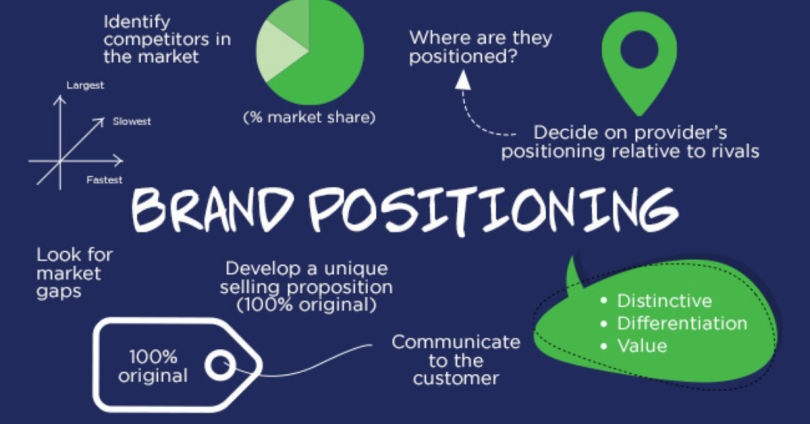
Brand positioning strategy is the process of creating a distinct image and perception of a brand in the minds of customers. It defines how a brand wants to be recognized compared to competitors.
In simple terms, brand positioning answers questions such as:
- What does the brand stand for?
- Who is the target audience?
- What unique value does the brand provide?
- Why should customers choose this brand instead of others?
A strong positioning strategy helps customers quickly understand a brand’s identity, purpose, and benefits.
Why Positioning Matters in a Competitive Market
Modern markets are crowded with businesses offering similar products and services. Without clear positioning, a brand can easily become invisible or forgettable.
Brand positioning matters because it:
- Helps businesses stand out from competitors
- Creates a clear and memorable identity
- Builds customer trust and loyalty
- Improves marketing effectiveness
- Increases customer preference and recognition
When a brand positions itself effectively, customers can easily understand its value and connect with it emotionally.
For example, some brands position themselves as affordable, while others focus on luxury, innovation, quality, or customer experience.
Importance of Creating a Unique Brand Image
A unique brand image helps a business occupy a special place in the customer’s mind. It influences how people think, feel, and respond to the brand.
A strong and unique image:
- Makes the brand more recognizable
- Creates emotional connections with customers
- Builds long-term loyalty and trust
- Supports premium pricing and competitive advantage
- Strengthens overall brand reputation
Without uniqueness, brands risk blending in with competitors and losing customer attention.
What This Article Will Cover
This article will explain the key concepts and strategies involved in successful brand positioning. Readers will learn:
- The meaning and purpose of brand positioning
- Different types of positioning strategies
- How to identify target audiences and competitors
- Creating a unique value proposition
- Building a consistent brand message
- Examples of successful brand positioning from well-known companies
By the end of this article, readers will understand how to develop a strong brand positioning strategy that helps businesses stand out and succeed in competitive markets.
What Is Brand Positioning?

Brand positioning is one of the most important parts of building a successful brand. It determines how a business wants to be seen and remembered by customers compared to competitors.
Definition of Brand Positioning
Brand positioning is the process of creating a unique image and value for a brand in the minds of customers. It explains what the brand stands for, who it serves, and why it is different from competing brands.
In simple terms, brand positioning is:
The place a brand occupies in the customer’s mind.
It focuses on communicating a clear message about the brand’s benefits, personality, and value.
For example:
- A brand may position itself as affordable and practical.
- Another may position itself as luxury and premium.
- Some brands focus on innovation, quality, speed, or customer service.
Effective positioning helps customers quickly understand what makes a brand special.
How Customers Perceive a Brand
Brand positioning is strongly connected to customer perception. Customers form opinions about a brand based on:
- Advertising and marketing
- Product quality
- Customer experience
- Brand messaging
- Reviews and recommendations
- Visual identity and communication
These experiences shape how people think and feel about the brand.
For example:
- Apple Inc. is often perceived as innovative, premium, and user-friendly.
- Nike, Inc. is associated with motivation, athletic performance, and empowerment.
- IKEA is perceived as affordable, modern, and practical.
Strong positioning creates a clear and consistent perception that stays in the customer’s mind.
Difference Between Branding and Positioning
Although closely related, branding and positioning are different concepts.
| Branding | Brand Positioning |
|---|---|
| Focuses on creating the overall identity of a brand | Focuses on creating a unique place in the customer’s mind |
| Includes logo, colors, messaging, personality, and communication | Includes how the brand differentiates itself from competitors |
| Shapes how the brand looks and feels | Shapes how the brand is perceived compared to others |
| Covers the entire brand experience | Focuses mainly on competitive advantage and customer perception |
In simple words:
- Branding is about creating the brand’s identity.
- Positioning is about defining how customers should think about the brand.
Final Insight
Brand positioning helps businesses stand out in crowded markets by creating a clear and memorable identity in customers’ minds. When positioning is strong and consistent, customers can quickly recognize the brand’s value and understand why it is different from competitors.
Why Brand Positioning Is Important

Brand positioning plays a major role in how customers understand, remember, and choose a brand. In competitive markets, businesses that clearly define their position are more likely to attract loyal customers and achieve long-term success.
Builds Customer Trust
A clear and consistent brand position helps customers understand what a brand stands for and what they can expect from it. When a business consistently delivers the value it promises, customers begin to trust the brand.
Trust is built through:
- Consistent messaging
- Reliable products or services
- Positive customer experiences
- Clear communication of values and benefits
Customers are more likely to choose brands they trust, especially when many similar options are available.
Increases Brand Recognition
Strong brand positioning makes a business more memorable. When customers repeatedly associate a brand with a specific quality or benefit, recognition grows over time.
For example:
- Some brands are known for luxury.
- Others are recognized for affordability, innovation, or customer service.
A clear position helps customers quickly identify and remember the brand in crowded markets.
Creates Competitive Advantage
Brand positioning helps businesses differentiate themselves from competitors. Even if companies offer similar products or services, positioning allows one brand to stand out by highlighting unique strengths or values.
Competitive advantages may include:
- Better quality
- Lower prices
- Faster service
- Innovation
- Strong customer support
- Unique brand personality
A strong position gives customers a reason to choose one brand over another.
Helps Attract the Right Audience
Effective positioning targets the customers most likely to connect with the brand’s message and values.
When a brand clearly communicates:
- Who it serves
- What problems it solves
- What makes it unique
…it attracts audiences that genuinely need and appreciate its products or services.
This leads to:
- Better customer relationships
- Higher engagement
- Stronger loyalty
- Improved customer satisfaction
Improves Marketing Effectiveness
Brand positioning provides direction for marketing and communication strategies. It helps businesses create focused campaigns with consistent messages.
With strong positioning:
- Advertising becomes clearer and more targeted
- Content aligns with customer expectations
- Marketing messages become more memorable
- Campaigns produce stronger emotional connections
This improves the overall effectiveness of branding and promotional efforts.
Identify Your Target Audience
A successful brand positioning strategy begins with understanding the people you want to serve. Your target audience is the specific group of customers most likely to benefit from your products or services. When you clearly understand your audience, you can create stronger messaging, better products, and more effective marketing strategies.
Understanding Customer Demographics
Customer demographics are measurable characteristics that help define who your customers are. These details allow businesses to group audiences and communicate with them more effectively.
Common demographic factors include:
- Age
- Gender
- Location
- Education level
- Income level
- Occupation
- Marital status
For example:
A luxury skincare brand may target:
- Women aged 25–45
- Urban professionals
- Middle- to high-income customers
Understanding demographics helps businesses design products, pricing, and marketing campaigns that match the needs of their audience.
Identifying Customer Pain Points
Pain points are the problems, frustrations, or challenges customers experience. Identifying these issues is essential because customers usually choose brands that solve their problems effectively.
Common customer pain points include:
- High prices
- Poor product quality
- Lack of convenience
- Limited customer support
- Difficulty finding trustworthy solutions
- Time-saving needs
For example:
- A food delivery service may solve the problem of limited time for cooking.
- A productivity app may help customers manage tasks more efficiently.
When brands understand customer pain points, they can position themselves as the best solution.
Creating Audience Personas
An audience persona is a fictional profile that represents the ideal customer. It combines demographic details, behaviors, goals, and pain points into one realistic character.
Audience personas help businesses:
- Better understand customer behavior
- Create more targeted marketing messages
- Improve products and services
- Build stronger customer connections
Example Persona:
Name: Ahmed
Age: 28
Occupation: Freelance graphic designer
Goals: Grow income and attract more clients
Pain Points: Difficulty finding reliable clients and managing time
Interests: Digital tools, social media, online learning
This persona helps a business understand what type of content, products, or solutions would appeal most to similar customers.
Research Your Competitors
Competitor research is an important part of building a successful brand positioning strategy. By studying other businesses in your industry, you can understand market trends, customer expectations, and opportunities to differentiate your brand.
Competitor analysis helps businesses make smarter decisions and create stronger positioning in competitive markets.
Competitor Analysis Methods
Competitor analysis is the process of evaluating competing brands to understand how they operate and attract customers.
Some effective methods include:
1. Analyze Competitor Websites
Study competitors’ websites to understand:
- Products or services offered
- Pricing strategies
- Brand messaging
- Design and user experience
- Customer support features
This helps identify how competitors present themselves online.
2. Review Social Media Presence
Observe competitors’ social media platforms to analyze:
- Content style and quality
- Posting frequency
- Audience engagement
- Popular topics and campaigns
- Customer interactions
This shows how they communicate with their audience and build brand awareness.
3. Study Customer Reviews
Customer reviews provide valuable insights into what people like or dislike about competitors.
Look for:
- Common complaints
- Frequently praised features
- Service quality issues
- Customer satisfaction levels
Reviews often reveal weaknesses that your brand can improve upon.
4. Use SWOT Analysis
A SWOT analysis helps evaluate:
- Strengths
- Weaknesses
- Opportunities
- Threats
This method provides a clear overview of competitor performance and market position.
5. Compare Products and Pricing
Analyze:
- Product quality
- Features and benefits
- Pricing models
- Discounts or offers
This helps determine where your brand can compete more effectively.
Identifying Market Gaps
A market gap is an unmet customer need or an area where competitors are not performing well. Finding these gaps creates opportunities for your brand to stand out.
Examples of market gaps include:
- Poor customer support in the industry
- High prices with limited value
- Lack of personalization
- Limited product variety
- Weak online presence among competitors
To identify market gaps:
- Listen to customer complaints
- Study trends and changing customer needs
- Analyze what competitors are missing
- Look for underserved audiences
Brands that successfully fill market gaps often gain a strong competitive advantage.
Understanding Competitor Strengths and Weaknesses
Studying competitor strengths and weaknesses helps businesses position themselves more strategically.
Competitor Strengths
These are areas where competitors perform well, such as:
- Strong brand reputation
- Large customer base
- High-quality products
- Effective marketing
- Strong online visibility
Understanding strengths helps businesses learn industry standards and expectations.
Competitor Weaknesses
These are areas where competitors struggle, such as:
- Slow customer service
- Poor website experience
- Inconsistent branding
- Limited innovation
- Negative customer reviews
Weaknesses create opportunities for your brand to offer better solutions and improve customer satisfaction.
You may also like to read these posts:
Top Personal Branding Tips to Grow Your Online Presence
Complete Brand Identity Guide: Build a Powerful and Consistent Brand
Complete Guide to Online Brand Building for Beginners
Define Your Unique Value Proposition (UVP)
A Unique Value Proposition (UVP) is one of the most important parts of brand positioning. It clearly explains why customers should choose your brand instead of competitors. A strong UVP highlights the unique value your business offers and the specific problem it solves.
What Makes Your Brand Different
Every successful brand has something that makes it unique. Your UVP identifies the qualities, benefits, or experiences that set your brand apart from others in the market.
Your difference may come from:
- Better product quality
- Lower prices
- Faster service
- Specialized expertise
- Unique features
- Excellent customer support
- Innovation or creativity
- Personalized experiences
For example:
- Some brands focus on affordability.
- Others emphasize luxury, convenience, speed, or sustainability.
To identify what makes your brand different, ask:
- What do we do better than competitors?
- What specific problem do we solve?
- Why do customers choose us?
- What unique experience do we provide?
The clearer your uniqueness, the stronger your brand positioning becomes.
Writing a Strong Value Proposition
A strong value proposition is clear, simple, and customer-focused. It should quickly communicate:
- Who you help
- What problem you solve
- What benefit you provide
- Why you are different
Simple Formula:
Examples of Strong Value Propositions
- “We help small businesses grow online through affordable and results-driven digital marketing services.”
- “We provide healthy meal delivery for busy professionals who want convenience without sacrificing nutrition.”
- “We make learning coding simple and practical for beginners.”
Strong value propositions are:
- Easy to understand
- Specific and focused
- Relevant to customer needs
- Different from competitors
Avoid using confusing language or overly broad statements.
Customer-Focused Messaging
A successful UVP focuses more on the customer than the company. Customers care about how your product or service improves their lives—not just what you sell.
Customer-focused messaging:
- Highlights benefits instead of features
- Addresses customer pain points
- Uses clear and relatable language
- Creates emotional connection and trust
Feature vs Benefit Example:
- Feature: “24/7 customer support”
- Benefit: “Get help anytime you need it without delays.”
The second statement focuses on customer value and experience.
Tips for Effective Customer Messaging
- Speak directly to your audience’s needs
- Use simple and clear language
- Focus on solutions and outcomes
- Show empathy for customer problems
- Be consistent across all platforms
When customers feel understood, they are more likely to trust and choose your brand.
Faqs:
What is a brand positioning strategy?
A brand positioning strategy is a plan that defines how your brand is perceived in the minds of customers compared to competitors. It highlights your unique value and what makes your brand different.
Why is brand positioning important?
Brand positioning is important because it helps your business stand out, build trust, attract the right audience, and create a strong competitive advantage in the market.
How do I create a brand positioning strategy?
You can create a brand positioning strategy by understanding your target audience, analyzing competitors, defining your unique value proposition, and maintaining consistent messaging across all platforms.
What is a unique value proposition (UVP)?
A unique value proposition is a clear statement that explains what makes your brand special and why customers should choose you over competitors.
Can small businesses use brand positioning strategy?
Yes, small businesses can greatly benefit from brand positioning. It helps them clearly define their identity, attract the right customers, and compete effectively in the market.
Conclusion
A strong brand positioning strategy is essential for building a successful and competitive brand in today’s market. It helps you clearly define who you are, what you offer, and why customers should choose you over others.
When your positioning is clear and consistent, it becomes easier to attract the right audience, build trust, and create long-term customer loyalty. From understanding your audience to defining your unique value proposition, every step plays an important role in shaping your brand’s identity.
Focus on clarity, consistency, and customer value. Over time, a well-planned brand positioning strategy will strengthen your market presence and help your business grow sustainably.